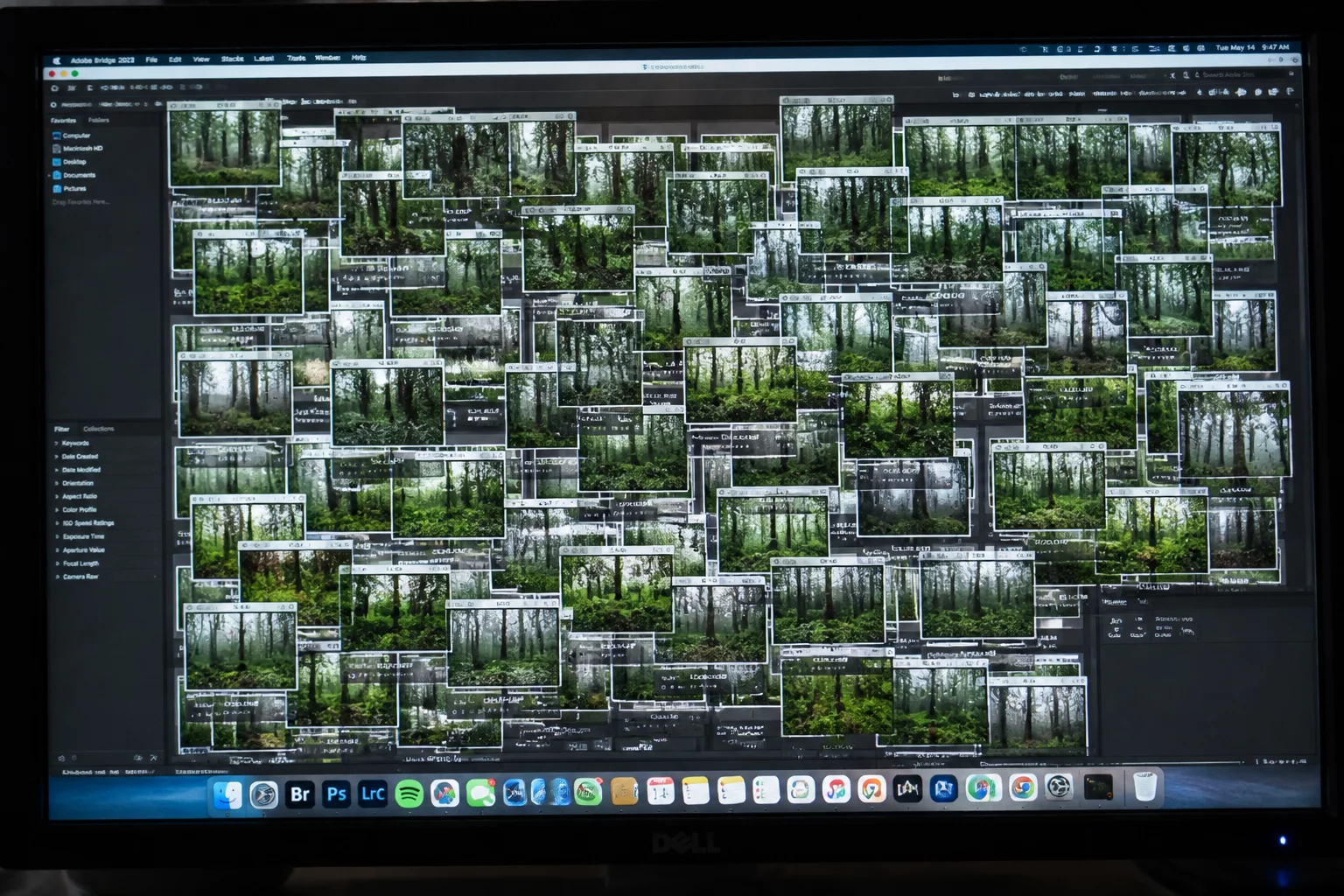
Creating a clone variant in Capture One takes only a single keystroke, making it dangerously effortless to generate dozens of minute visual iterations. When you spawn an alternate version simply because you nudged an exposure slider half a stop, you inevitably transfer the burden of decision-making to your future self. Without a defined creative hypothesis or specific output requirement, each additional thumbnail quickly turns into friction rather than artistic freedom.
In high-pressure studio sessions, digital asset management breaks down rapidly when technicians face ten nearly indistinguishable versions of the same capture. Visual fatigue impairs judgment, confusing retouchers and exhausting creative directors who must determine whether variant four or variant seven represents the approved mood. The software handles virtual copies without duplicating raw disk space, but human cognitive capacity cannot process unlimited minor nuances without losing objective perspective.
Establishing Meaningful Thresholds for Alternate Edits
A variant is justifiable only when it answers an explicit technical question or targets an unmistakable delivery format that cannot coexist with the primary interpretation. Before duplicating a state, formulate the exact difference you intend to verify. If the adjustment is subtle enough to pass unnoticed at standard web viewing distance, refine the existing base version rather than multiplying catalog entries.
- Reserve secondary variants for distinct aspect ratios or specialized destination profiles rather than casual slider nudges.
- Purge intermediate trial copies immediately once an editorial direction or skin tone balance has been confirmed by the team.
- Enforce a working ceiling of three variants per key asset: primary master grade, editorial crop alternative, and dedicated monochrome proof.
Maintaining strict variant hygiene preserves mental clarity throughout extensive commercial post-production schedules. When every thumbnail possesses an unambiguous objective, comparing alternate image versions becomes a swift, confident verification rather than an agonizing search through identical frames.